Photo credits and consent in impact pages
Visual storytelling for donors fails when consent files are missing. A practical checklist for communications staff in Thailand.
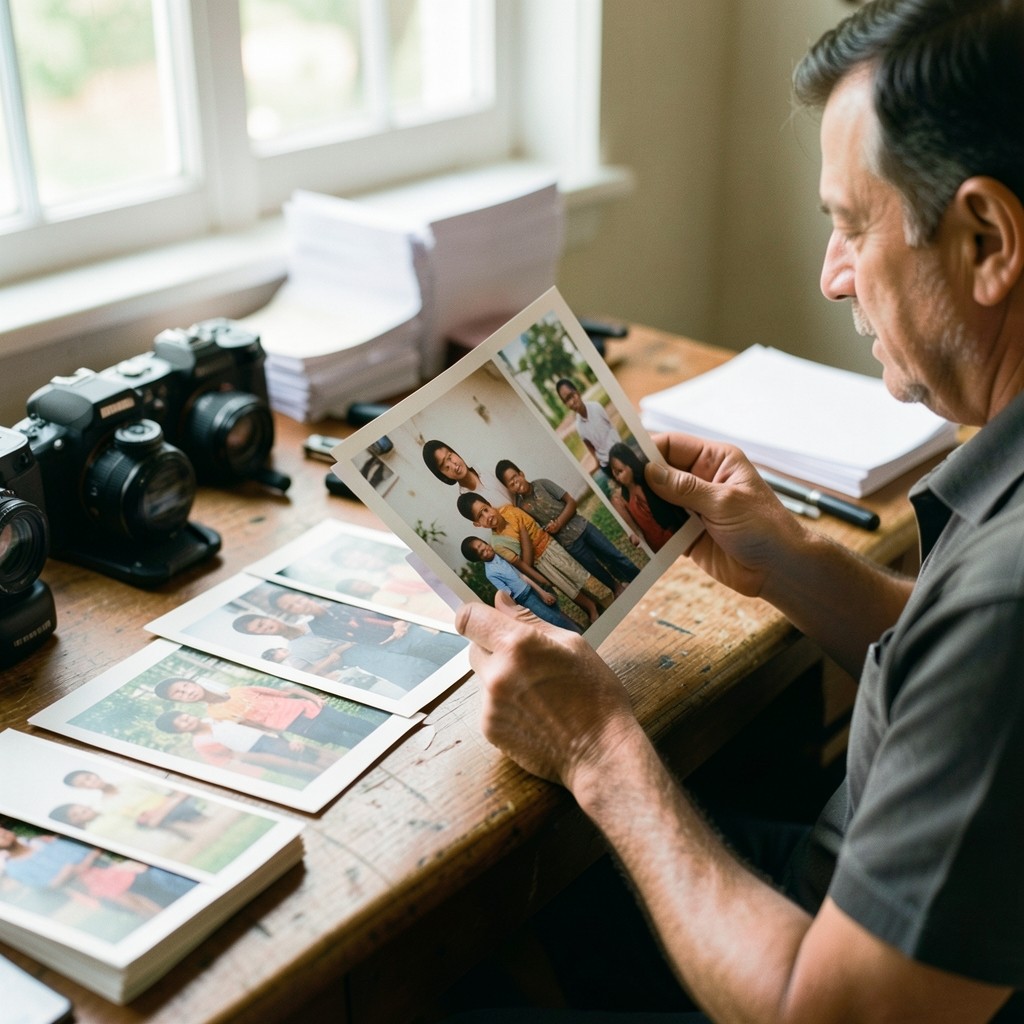
Impact reports rely on faces and places. In Thailand, many organisations already collect consent for field photography, yet those forms rarely travel with the image files that reach the report designer.
Before we place a portrait, we ask for the consent status, the permitted uses (print, web, donor packets), and whether a name may appear. When consent is limited to internal use, we replace the image with a setting photograph or an abstract detail from the program site.
Credit lines matter to communities and to partner NGOs who loaned a photographer. We keep a simple table: filename, photographer, date, location, consent file ID. It takes an afternoon to build and saves weeks of last-minute swaps.
If you are unsure about a child’s image, default to scenes that show activity without identifying features. Donors respond to specific environments—classroom shelves, clinic waiting areas, community gardens—as strongly as to close portraits.